
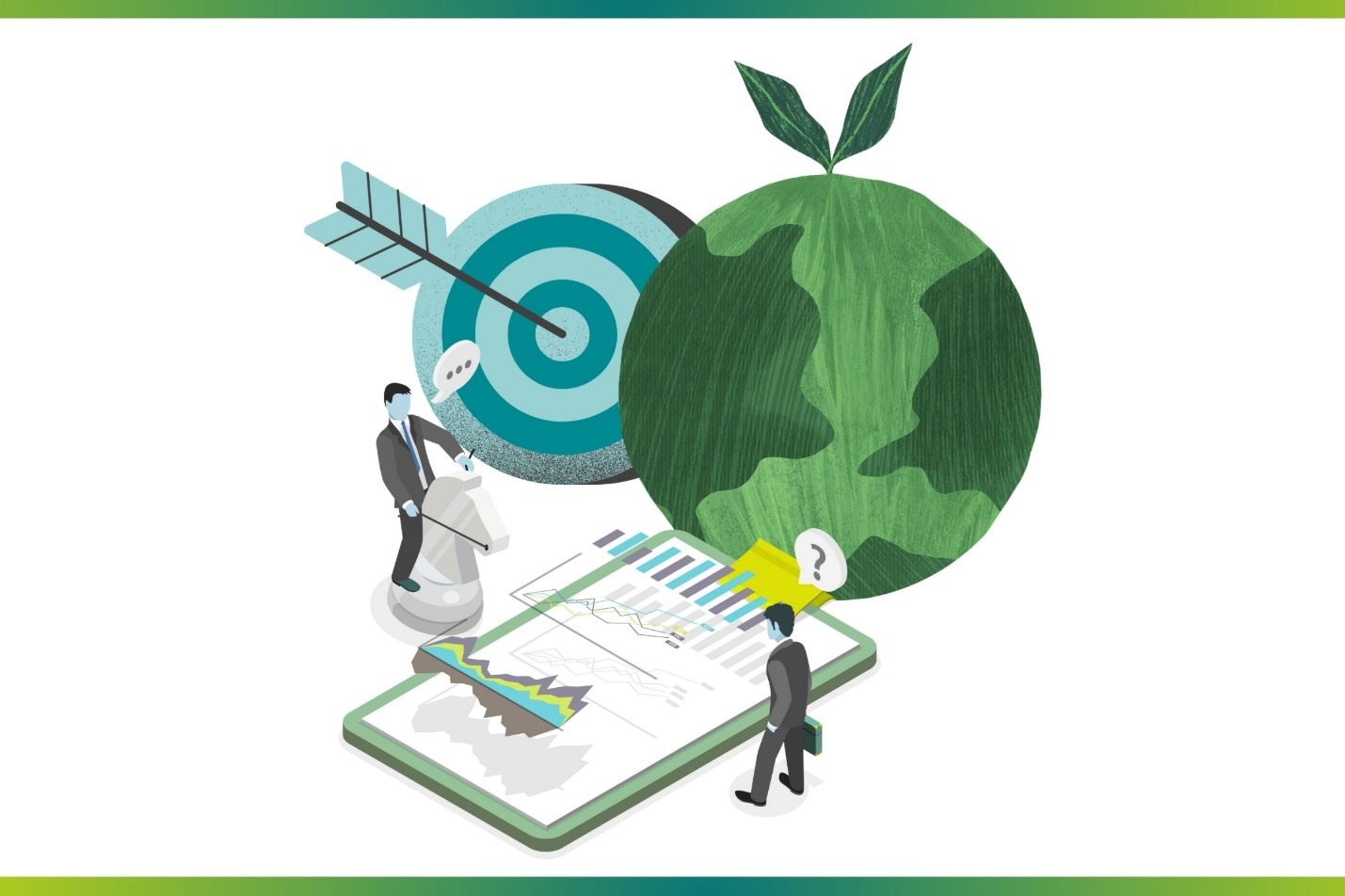
How to Develop a CSR Strategy: A Step-by-Step Guide for Sustainable Business Growth
Rhea Rao
Table of Contents
- Introduction
- Why a CSR Strategy Matters for Sustainable Growth
- Understanding the Business and Development Context
- Step-by-Step Guide to Developing a CSR Strategy
- Aligning CSR Strategy with Global Development Goals
- Common Challenges and How to Overcome Them
- Key Takeaways
- FAQs
- Sources
1. Introduction
Corporate Social Responsibility (CSR) has evolved from optional philanthropy into a strategic business function that helps organizations create long-term value for communities, stakeholders, and the business itself. In India and increasingly worldwide, companies are expected to demonstrate not only compliance but measurable social and environmental impact. A well-designed CSR strategy connects business strengths with development priorities, turning intent into outcomes that are sustainable, scalable, and credible.
A clear CSR strategy provides direction, prioritizes resources, and ensures that social investments create measurable outcomes. Without a strategy, CSR efforts often become fragmented, difficult to measure, and disconnected from organizational goals. With strategy, CSR becomes a long-term driver of impact and growth.
2. Why a CSR Strategy Matters for Sustainable Growth
Creates Focus and Clarity
A strategy helps organizations identify priority themes and avoid spreading resources across unrelated activities.
Strengthens Stakeholder Trust
Clear goals, transparent reporting, and measurable outcomes improve credibility with investors, communities, and regulators.
Enhances Business Resilience
CSR aligned with business strengths supports risk mitigation and strengthens relationships across supply chains and communities.
Improves Impact Measurement
Strategic programs are easier to monitor and evaluate, enabling evidence-based decision-making.
Supports Long-Term Growth
When CSR aligns with sustainability priorities, it contributes to brand reputation, employee engagement, and social license to operate.
3. Understanding the Business and Development Context
Before building a CSR strategy, organizations must understand the environment in which they operate.
Regulatory Context
In India, CSR spending obligations under Section 135 of the Companies Act provide a structured framework for corporate investment in development.
Social and Environmental Needs
Programs should respond to real community challenges rather than assumptions. This requires data, consultations, and field understanding.
Organizational Strengths
Effective CSR strategies leverage what the company already knows—its industry expertise, geographic presence, and operational capabilities.
Stakeholder Expectations
Employees, investors, communities, and government agencies increasingly expect organizations to contribute meaningfully to sustainable development.
4. Step-by-Step Guide to Developing a CSR Strategy
Step 1 — Define Purpose and Vision
Clarify why the organization invests in CSR and what long-term change it seeks to support.
Step 2 — Conduct Need and Context Assessment
Use field-level research, stakeholder consultations, and data analysis to identify priority issues.
Step 3 — Identify Strategic Focus Areas
Select a few core themes such as education, health, livelihoods, or environment to enable depth and measurable outcomes.
Step 4 — Map Business Strengths to Social Needs
Align organizational capabilities with development priorities to create shared value.
Step 5 — Design Programs with Clear Outcomes
Develop program structures with defined indicators, timelines, and outcomes.
Step 6 — Build Strategic Partnerships
Choose implementation partners based on alignment, capacity, and shared goals.
Step 7 — Establish Monitoring and Evaluation Systems
Implement baseline studies, regular tracking, and impact assessments for continuous learning.
Step 8 — Integrate Governance and Reporting
Set clear decision-making processes, documentation standards, and reporting structures.
Step 9 — Communicate Impact Strategically
Share evidence-based stories that demonstrate outcomes and learning.
5. Aligning CSR Strategy with Global Development Goals
CSR strategies today increasingly connect with international sustainability frameworks.
Sustainable Development Goals (SDGs)
The SDGs help organizations align local interventions with global priorities and track outcomes consistently. (niti.gov.in)
Impact Management Standards
Global standards emphasize integrating impact into strategy and governance rather than limiting it to reporting. (undp.org)
Local-to-Global Alignment
Connecting grassroots programs with global frameworks improves credibility and scalability.
6. Common Challenges and How to Overcome Them
Challenge | Solution |
Fragmented initiatives | Focus on fewer strategic themes |
Weak measurement | Build strong monitoring frameworks |
Partner misalignment | Define roles and shared outcomes |
Limited internal buy-in | Align CSR with business objectives |
Short-term thinking | Set long-term outcome goals |
7. Key Takeaways
- CSR strategy transforms social investments into measurable outcomes.
- Need assessments ensure programs address real community priorities.
- Strategic focus leads to stronger impact and easier measurement.
- Monitoring and evaluation strengthen governance and learning.
- Alignment with SDGs increases global relevance and credibility.
- A clear strategy supports both sustainable development and business growth.
- Explore further with Get in touch.
8. FAQs
What is a CSR strategy?
A CSR strategy is a structured framework that guides how an organization creates social and environmental impact aligned with business goals.
Why is CSR strategy important for business growth?
It strengthens reputation, stakeholder trust, and long-term sustainability while improving impact outcomes.
How many CSR themes should a company focus on?
Focusing on a limited number of strategic themes usually leads to deeper impact and better measurement.
How do partnerships contribute to CSR success?
Strategic partners bring local expertise, improve implementation quality, and strengthen long-term outcomes.
Can CSR strategies align with global development frameworks?
Yes. Many organizations align CSR programs with SDGs and other global sustainability standards.
How often should a CSR strategy be reviewed?
Periodic reviews every 2–3 years help ensure alignment with evolving priorities and evidence from impact assessments.